
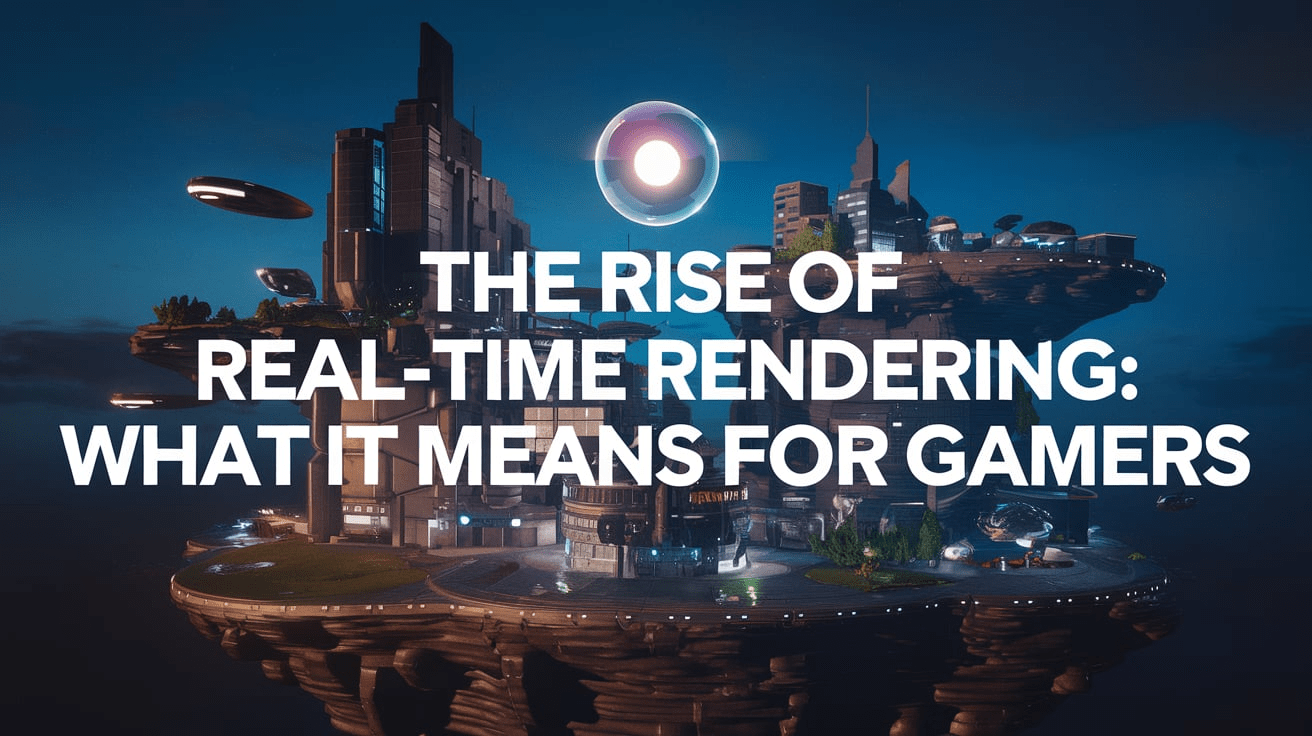
Real-time rendering is revolutionizing the gaming industry, transforming how games are developed and experienced. This cutting-edge technology allows developers to create dynamic, interactive worlds that respond instantly to player actions. For gamers, this means more immersive and lifelike experiences that were once confined to pre-rendered scenes in movies. Here’s a deep dive into how real-time rendering is shaping the gaming landscape and what it means for the future of interactive entertainment.
Description
Real-time rendering is redefining the gaming experience with lifelike visuals and seamless interactivity. Learn how this technology works, why it’s significant, and how it’s transforming the way we play games.
Key Points
- Real-time rendering delivers instant feedback and lifelike visuals.
- It bridges the gap between cinematic graphics and gameplay.
- Gamers can enjoy richer, more immersive experiences.
How Real-Time Rendering is Changing Gaming
- What is Real-Time Rendering?
Unlike traditional rendering, where visuals are pre-rendered and static, real-time rendering processes graphics on-the-fly as players interact with the game. This enables dynamic lighting, shadows, and textures that respond in real-time to in-game events. - Hyper-Realistic Graphics:
Technologies like ray tracing, powered by real-time rendering engines such as Unreal Engine and Unity, bring cinematic-quality visuals to gameplay. From reflections in puddles to dynamic weather, games now look almost indistinguishable from reality. - Seamless Immersion:
Real-time rendering eliminates loading screens between scenes, ensuring smoother transitions and uninterrupted gameplay. Games like Red Dead Redemption 2 and Cyberpunk 2077 exemplify this innovation. - Empowering Creativity:
Real-time rendering tools allow developers to experiment and iterate quickly, reducing production timelines and enabling more ambitious projects. This benefits gamers with richer worlds and more polished experiences. - Improved VR Experiences:
For virtual reality gaming, real-time rendering is essential. It enables responsive environments that adapt instantly to player movements, heightening immersion and realism. - Dynamic Environments:
Real-time rendering powers dynamic elements like changing weather, destructible objects, and NPC behaviors, making game worlds feel alive and unpredictable. - Cross-Platform Optimization:
Advanced real-time rendering engines optimize games for various platforms, from high-end PCs to consoles and even mobile devices, ensuring consistent quality. - Interactive Storytelling:
Games like The Last of Us Part II use real-time rendering to blend gameplay and cutscenes seamlessly, delivering a more cohesive and engaging narrative. - Lower Cost for Developers:
By eliminating the need for time-intensive pre-rendering, studios save money and resources, passing on these benefits to gamers through more frequent updates and improved game quality. - Future of Gaming:
As hardware continues to evolve, real-time rendering will become even more powerful, enabling photorealistic games that adapt dynamically to players’ preferences and actions.
Bullet Points
- Instant Feedback: Real-time rendering processes graphics instantly, creating lifelike visuals.
- Cinematic Quality: Ray tracing brings Hollywood-level visuals to gaming.
- Dynamic Worlds: Environments adapt in real-time to player actions.
- VR Essential: Real-time rendering enhances virtual reality immersion.
- Faster Development: Developers can iterate quickly, ensuring polished experiences.
Trendy Tags
- #RealTimeRendering
- #GamingTechnology
- #ImmersiveGaming
- #RayTracing
- #FutureOfGaming
- #GameGraphics
- #VirtualReality
- #DynamicEnvironments
- #NextGenGames
Final Thoughts:
The rise of real-time rendering marks a pivotal moment in gaming history. This technology bridges the gap between gameplay and cinematic visuals, delivering experiences that feel alive and responsive. As gamers, we’re witnessing the dawn of a new era where immersion and realism are redefined.
What’s your take on real-time rendering? Share your thoughts in the comments below!
Leave a Reply